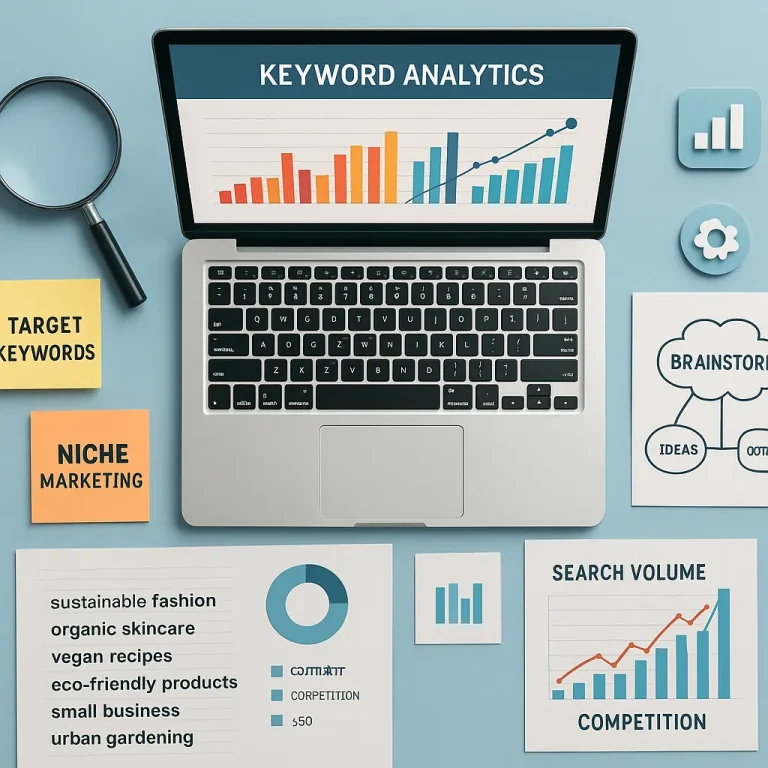
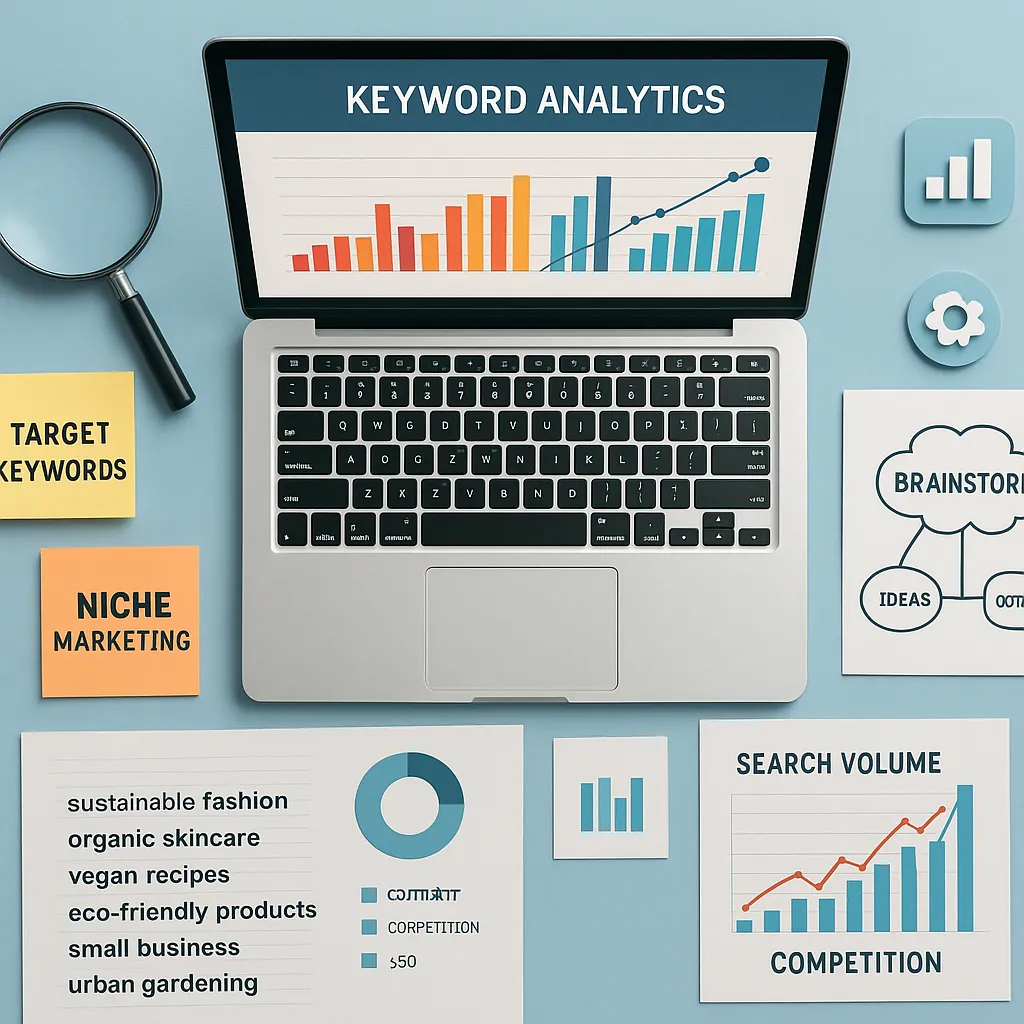
What are the most effective keyword research strategies for a niche marketing site?
What Are the Most Effective Keyword Research Strategies for a Niche Marketing Site?
The most effective keyword research strategies for a niche marketing site are: focusing on highly targeted long-tail keywords, analyzing competitors within the niche, leveraging semantic keyword clusters, and continuously refining keywords based on user intent and real search data. These approaches help uncover relevant opportunities, drive qualified traffic, and improve visibility in both traditional and answer engine results.
—
What Is Keyword Research and Why Does It Matter for Niche Marketing?
**Keyword research** is the process of identifying the words and phrases that people use in search engines to find information, products, or services. For niche marketing sites, keyword research helps uncover less competitive, highly relevant keywords that connect with a specific audience, making every piece of content more discoverable and valuable.
> **Definition:**
> **Keyword Research (Entity):** The systematic process of discovering, analyzing, and selecting keywords that align with user intent and business goals, especially for specialized online markets (niches).
—
How Do You Find the Best Keywords for a Niche Site? (Step-by-Step)
Choosing the right keywords in a niche means going beyond surface-level terms. Here’s how to do it:
1. **Identify Your Niche Audience**
2. **Analyze Niche-Specific Competitors**
3. **Find Long-Tail Keywords**
4. **Use Semantic Keyword Grouping**
5. **Leverage Keyword Research Tools**
6. **Understand Search Intent**
7. **Monitor and Refine Your Keywords**
—
1. Who Is Your Niche Audience and What Are Their Needs?
Start by defining your ideal visitor. Ask:
– What problems do they face?
– What language and terms do they use?
– What communities are they active in (forums, subreddits, social media)?
Understanding your audience’s demographics, preferences, and search habits is foundational. Use related entity mentions, like key influencers, popular products, and industry jargon, to generate seed keywords that feel authentic to your market.
—
2. How Can You Analyze Niche-Specific Competitors for Keyword Ideas?
Competitor analysis uncovers real-world keywords that are already attracting visitors.
**Steps:**
– Identify 3-5 main competitors in your niche using Google, Reddit, or niche directories.
– Use tools (e.g., Ahrefs, SEMrush, Moz) to extract the top keywords driving their traffic.
– Look for “content gaps” — keywords they rank for that you don’t.
> **Pro Tip:**
> Review competitors’ featured snippets and People Also Ask (PAA) sections to find questions your audience is already searching.
—
3. What Are Long-Tail Keywords and Why Are They Critical for Niche Sites?
**Long-tail keywords** are search phrases that are longer, more specific, and typically have lower search volume but higher intent.
> **Example Table: Short-Tail vs. Long-Tail Keywords for a Vegan Skincare Site**
| Short-Tail Keyword | Long-Tail Keyword |
|——————–|————————————–|
| vegan skincare | best vegan skincare routine for acne |
| cruelty-free lotion| cruelty-free lotion for dry sensitive skin|
Long-tail keywords are crucial in niche markets because they attract visitors who are more likely to convert, as their search is highly specific.
—
4. How Can Semantic Keyword Clusters Boost Topic Coverage?
Search engines (and AI answer engines) now understand meaning, not just keywords. **Semantic keyword clustering** groups related terms and concepts, allowing content to answer a wider range of questions around a topic.
**Cluster Example for “Outdoor Survival Kit”:**
– outdoor survival gear list
– best survival kit for hiking
– what should be in a wilderness first aid kit
– essential tools for camping survival
Creating content that touches multiple clusters not only attracts broader search intent, but also improves Answer Engine Optimization (AEO) by covering the context and related entities (like gear brands, seasonal variations, safety guidelines).
—
5. Which Keyword Tools and Data Sources Are Best for Niche Research?
Here are some tools and their unique strengths for niche keyword discovery:
– **Google Search Console & Analytics:** Real data from your own niche audience
– **Ahrefs & SEMrush:** Competitor keyword analysis, content gap reports
– **Answer the Public:** Visualizations of actual questions and phrases
– **Keyworddit:** Extracts niche keywords from Reddit threads
– **Google Trends:** Identifies seasonal and rising search terms
– **Ubersuggest:** Budget-friendly for keyword ideas and volume
– **People Also Ask (PAA):** Sourced directly from Google SERPs for Q&A focus
—
6. How Do You Determine the Best Keywords by Search Intent?
Not all keywords should be treated equally. Map keyword opportunities to **search intent**:
| Search Intent | Example Keyword | Content Type |
|—————–|——————————-|———————|
| Informational | how to train a rescue dog | Guides, FAQs |
| Navigational | official Patagonia jackets | Landing pages |
| Transactional | buy vegan protein powder online| Product pages, Reviews|
| Commercial | best camping tents 2024 | Comparisons, Roundups|
Aligning content with the underlying intent boosts engagement and helps win featured snippets or answer box placements.
—
7. How Can Answer Engine Optimization (AEO) Guide Niche Keyword Choices?
AEO demands that content answers questions directly and contextually. These strategies work well for niche sites:
– Use question-based keywords and headings (e.g., “How do I…”, “What is the best…”)
– Incorporate definitions, tables, and concise lists
– Optimize for semantic relationships by covering related entities and synonyms
Example:
For a niche gardening site, instead of targeting “organic tomato seeds,” go deeper with:
– How to grow organic tomatoes from seed indoors
– Best organic tomato seed varieties for northern climates
– Organic tomato seed companion plants
—
What Are the Best Practices for Ongoing Niche Keyword Management?
How Often Should You Update Your Keyword Strategy?
Keyword opportunities shift as trends, algorithms, and user behavior evolve. Review your main keywords at least quarterly, and add or remove keywords based on:
– Search volume and trends (using Google Trends, Ahrefs, etc.)
– Shifts in your niche’s product or content focus
– Performance data (click-through rates, conversions, dwell time)
—
How Do You Monitor Keyword Performance Over Time?
Track keyword metrics using:
– **Google Search Console** (Impressions, Clicks, Position)
– **SEO tools** (Rank tracking, traffic potential)
– **Conversion data** (Which keywords actually drive results?)
Creating a simple table or dashboard makes adjustments faster:
| Metric | What to Watch |
|———————–|—————————|
| Impressions | Interest level |
| Click-through rate | Relevance of your content |
| Conversion rate | True keyword value |
| Position | Ranking progress |
—
What Are Some Common Pitfalls in Niche Keyword Research?
**Avoid these mistakes:**
– Relying only on general short-tail keywords
– Ignoring low-volume, high-intent keywords
– Overlooking user-generated questions (forums, reviews, PAA)
– Failing to monitor and update keyword lists regularly
– Skipping the semantic relationships and related concepts
—
Frequently Asked Keyword Research Questions for Niche Marketing Sites
What’s the Fastest Way to Find Untapped Keywords in a Niche?
Explore forums, Reddit communities, or product reviews for natural language queries your audience uses but competitors have overlooked.
How Many Keywords Should a Niche Page Target?
Ideally, focus on one primary keyword and 3-5 closely related secondary or semantic keywords per page.
Can You Target Multiple Niches on One Site?
While possible, it’s more effective to build topical authority in one tightly defined niche before expanding.
How Do Search Engines and AI Assistants Use Keywords Today?
Modern answer engines rely on both exact keywords and the context, meaning, and related entities within your content—reinforcing the need for comprehensive, semantically-rich keyword strategies.
—
In Summary: Key Takeaways for Niche Keyword Research Success
– **Start with audience and competitor analysis** to understand your niche.
– **Prioritize long-tail, low-competition, and semantically clustered keywords** for greater relevance.
– **Match keywords to user intent** at every stage of the buyer journey.
– **Use a mix of tools and real search data** for precision.
– **Refresh your keyword strategy** regularly for ongoing growth.
> **Definition Box:**
> **Semantic Keywords (Entity):** Words, phrases, and topics that are contextually or conceptually connected to your main keyword, improving content relevancy and discoverability in answer engines.
By following these strategies, niche marketing sites can maximize their visibility, attract qualified organic traffic, and become authoritative answers for their specialized audiences.
—
“`