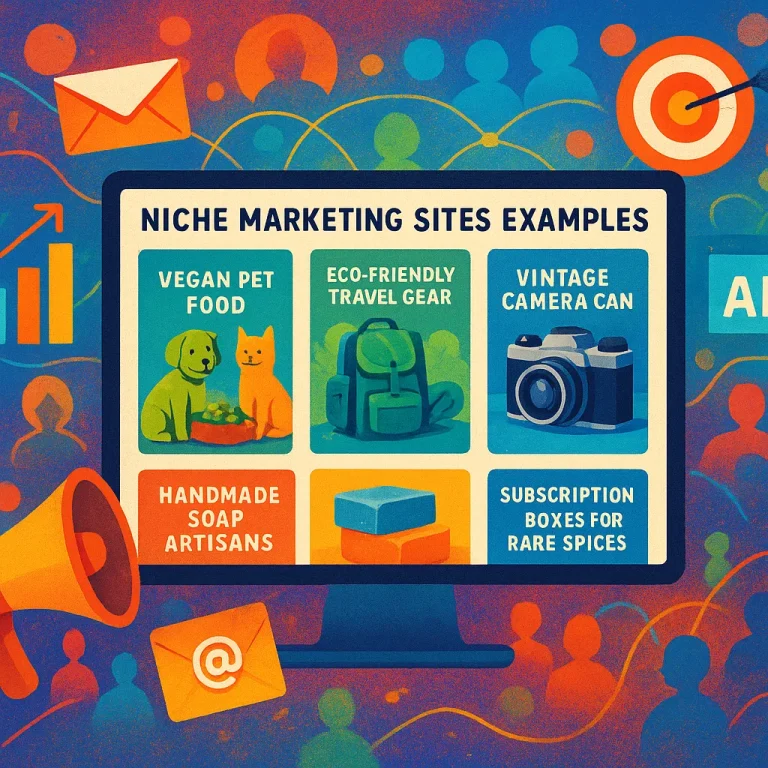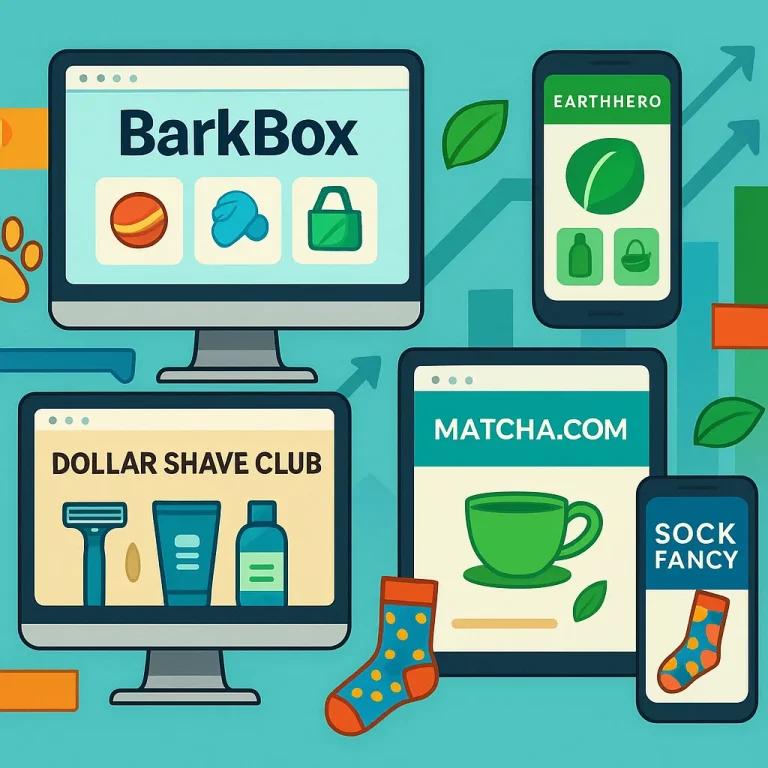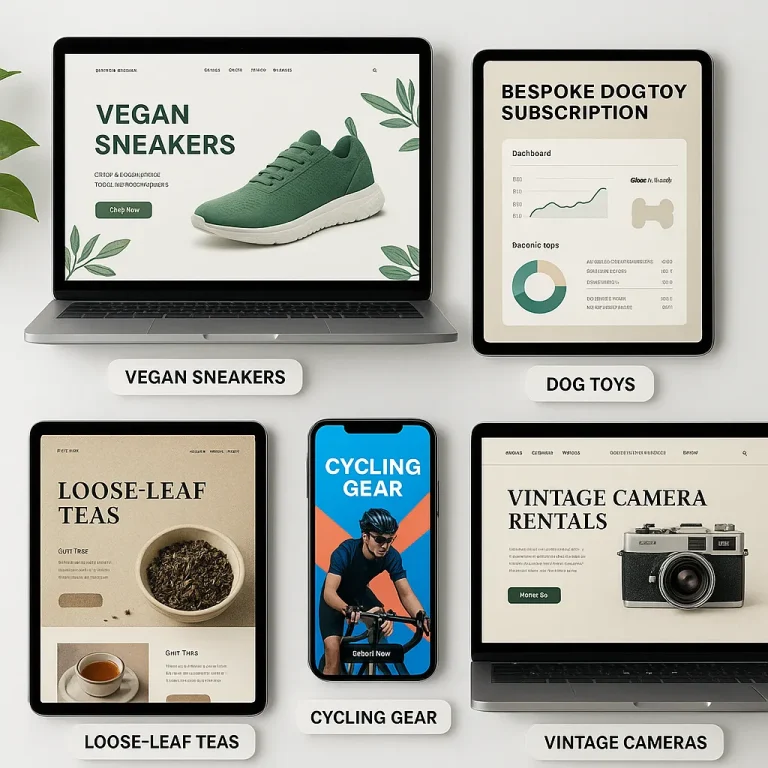

What are some good examples of successful niche marketing sites?
What Are Some Good Examples of Successful Niche Marketing Sites?
Successful niche marketing sites include brands like NerdWallet (personal finance), The Wirecutter (product reviews), and MyFitnessPal (health and fitness), which each target a specific audience with tailored content and solutions. These examples show how focusing on a specialized segment can drive high engagement, loyalty, and profitability.
—
What Is a Niche Marketing Site? (Definition Box)
A **niche marketing site** is a website that focuses on a narrow target audience or specific interest area, offering personalized products, services, or content tailored to a well-defined group’s needs rather than a broad general market.
—
Why Do Niche Sites Succeed? (Entity Context)
Niche websites succeed because they provide expert guidance, unique value, and in-depth content in specialized areas. Brands like **NerdWallet**, **The Wirecutter**, and **MyFitnessPal** have established search authority and loyal communities, using strategies such as SEO, content marketing, and partnerships to dominate their unique corners of the digital landscape.
—
What Are the Top Examples of Successful Niche Marketing Sites? (List Format)
Here are some of the best-performing and widely recognized niche marketing websites, chosen for their focused strategy and proven results:
1. **NerdWallet** (Personal Finance)
2. **The Wirecutter** (Consumer Product Reviews)
3. **MyFitnessPal** (Health & Diet Tracking)
4. **Rover** (Pet Care Marketplace)
5. **Houzz** (Home Design and Renovation)
6. **Nomadic Matt** (Budget Travel Advice)
7. **Dribbble** (Creative Design Community)
8. **Moms Who Think** (Parenting Guides)
9. **The Points Guy** (Travel Credit Cards & Rewards)
10. **Bodybuilding.com** (Fitness & Supplements)
—
How Do Niche Marketing Sites Work? (Question Variations)
– How do niche marketing websites attract a specific audience?
– What strategies do successful niche sites use?
Niche sites typically use keyword-rich content, focus on targeted SEO, and provide deep resources or unique insights unavailable elsewhere. They build user trust by establishing authority within a narrow field and often use newsletters, active social media communities, and affiliate marketing to monetize their influence.
—
Featured Table: Successful Niche Sites, Their Focus, and Business Models
| Site Name | Niche Focus | Business Model | Notable Features |
|——————-|———————–|————————|————————————-|
| NerdWallet | Personal finance | Affiliate, CPC/CPA | In-depth guides, tool comparisons |
| The Wirecutter | Product reviews | Affiliate, Ad revenue | Hands-on testing, buying guides |
| MyFitnessPal | Fitness/nutrition | Freemium, Ads, Premium | Calorie tracking, social features |
| Rover | Pet sitting/walking | Marketplace commission | Trust & safety, booking technology |
| Houzz | Home design | Ads, Lead generation | Visual search, contractor network |
| The Points Guy | Travel credit cards | Affiliate partnerships | Award calculators, news, reviews |
| Bodybuilding.com | Fitness supplements | Ecommerce, Community | Online store, forums, workouts |
| Dribbble | Design portfolio | Premium listings, Jobs | Designer showcases, hiring platform |
| Nomadic Matt | Budget travel | Courses, Affiliate | Long-form travel guides, books |
| Moms Who Think | Parenting | Ads, Lead generation | Expert articles, printable tools |
—
Why Are These Niche Examples Effective? (Semantic Relationships)
These sites solve specific problems for well-defined groups:
– **NerdWallet** helps consumers compare personal finance products, using clear guides and calculators.
– **The Wirecutter** offers trustworthy product recommendations based on real-world testing.
– **MyFitnessPal** meets the needs of health-conscious individuals with a community aspect and personalized tracking.
– **Rover** connects pet owners with reliable care providers, combining marketplace technology with trust verification.
– **Bodybuilding.com** gives aspiring athletes expert resources, shopping, and community support in one platform.
All leverage user-generated content, expert reviews, and technology to create value.
—
How Does Niche Marketing Differ From Broad Marketing? (Definition Box)
**Niche marketing** targets a focused subset of the market with tailored messaging and offerings, while **broad marketing** tries to appeal to the widest possible audience. Niche strategies allow for deeper customer connections and higher conversion rates but require deep expertise and community engagement.
—
Frequently Asked Questions
What are the characteristics of a successful niche website?
**Successful niche websites** are usually:
– Highly focused on a defined audience or problem
– Packed with authoritative, comprehensive content
– Expert-driven and seen as trustworthy by their community
– Built with scalable SEO and content strategies
– Monetized through affiliates, ads, products, or premium memberships
Can small businesses succeed with niche marketing sites?
Yes! In fact, small businesses often thrive in niche spaces where large corporations overlook specific needs. By delivering unique value or filling gaps in larger market offerings, small operators can outcompete bigger brands in engagement and loyalty.
What are other well-known niche sites in different verticals?
– **Greatist** (healthy living)
– **Apartment Therapy** (apartment decor)
– **Gear Patrol** (men’s gear & lifestyle)
– **Pitchfork** (indie music reviews)
– **Petfinder** (pet adoption matchmaking)
– **BabyCenter** (pregnancy & parenting support)
– **Capterra** (business software reviews)
—
How Can You Build a Successful Niche Marketing Site? (List Steps)
1. **Identify a Profitable Niche:** Look for underserved needs, passionate communities, or highly specific problems.
2. **Research Keywords and Entities:** Use topical authority, LSI (latent semantic indexing), and entity research tools.
3. **Create High-Value Content:** Address your audience’s common questions, pain points, and needs.
4. **Foster Community and Authority:** Engage with users, encourage reviews or submissions, and collaborate with influencers in your space.
5. **Monetize Effectively:** Choose affiliate programs, product partnerships, digital products, or ad placements that fit your audience.
6. **Scale Gradually:** Expand into related sub-niches or offer new services as your authority grows.
—
Related Concepts & Semantic Entities
– **Topical authority** (depth of expertise)
– **Community-building**
– **Affiliate marketing**
– **User-generated content**
– **SEO for long-tail keywords**
– **Personalization and UX**
– **Lead generation**
– **Conversion rate optimization in specialized markets**
—
Table: Niche Marketing Example Matrix
| Vertical | Niche Example | Unique Selling Point |
|—————–|———————–|——————————————–|
| Finance | NerdWallet | Tools & advice for personal finance |
| Health/Fitness | MyFitnessPal | Personalized diet & fitness tracking |
| Travel | The Points Guy | Maximizing rewards for travel enthusiasts |
| Tech/Review | The Wirecutter | Trustworthy, independent product reviews |
| Pets | Rover | Peer-reviewed, on-demand pet care |
| Parenting | BabyCenter | Stage-based advice and active forums |
| Creative | Dribbble | Designer-focused networking and portfolios |
| Home/DIY | Houzz | Visual inspiration and contractor search |
—
In Summary: What Makes These Niche Sites Stand Out?
The most successful niche marketing sites deliver deep expertise, personalized experiences, and tangible solutions to a well-defined segment. By intentionally limiting their scope, they become indispensable resources, foster vibrant communities, and enjoy high user engagement and monetization potential—illustrating the long-term benefits of niche specialization in today’s digital landscape.
—
“`