
What are the most effective SEO tips for improving rankings on niche marketing sites?
What Are the Most Effective SEO Tips for Improving Rankings on Niche Marketing Sites?
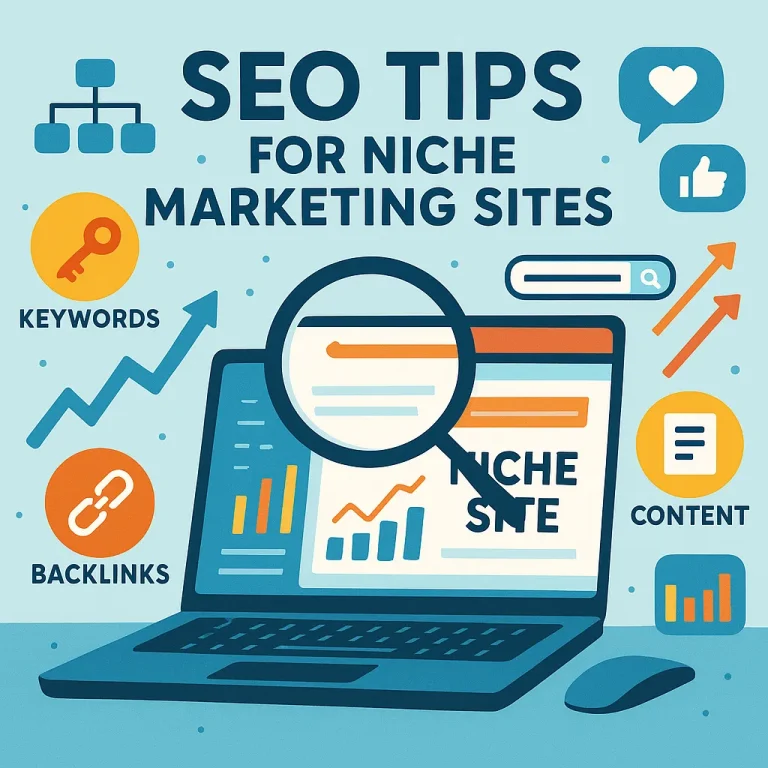
The most effective SEO tips for improving rankings on niche marketing sites involve focusing on quality, targeted content, leveraging topical authority, optimizing for search intent, building relevant backlinks, and creating an exceptional user experience tailored to your audience. By understanding your niche, using long-tail keywords, and aligning with entity-based SEO strategies, you can achieve higher visibility and sustained rankings on search engines and answer platforms.
—
What Is SEO for Niche Marketing Sites?
**Definition:**
SEO for niche marketing sites refers to optimizing web content, structure, and authority to attract and engage search users interested in specialized topics or industry segments. Unlike broad SEO, niche optimization focuses tightly on targeted audiences, specific keyword clusters, and unique industry entities.
—
Why Is Niche SEO Different from General SEO?
– **Targeted Audience:** Niche sites serve specialized groups, requiring tailored content to meet specific needs.
– **Less Competition:** Easier to rank due to fewer competitors, but requires deeper topical authority.
– **Entity and Context Focus:** Semantic relevance and in-depth coverage of topics are crucial for visibility.
—
What Are the Top SEO Tips for Niche Marketing Site Rankings?
1. How to Research and Target the Right Keywords?
**Tip:** Focus on long-tail keywords and semantically related queries that reflect your niche audience’s intent.
Keyword Research Steps:
1. Identify core niche topics and related search terms.
2. Use tools like Google Keyword Planner, Ahrefs, or SEMrush for discovery.
3. Analyze competitors for content gaps and keyword opportunities.
4. Map keywords to specific search intents (informational, transactional, navigational).
> **Example Table: Keyword Types for Niche Marketing**
| Type | Example Keyword | Intent |
|—————|—————————–|—————–|
| Long-tail | “best vegan protein powders” | Informational |
| Product Review| “Brand X protein powder review”| Transactional |
| How-to | “how to use pea protein” | Informational |
—
2. How Does Topical Authority Boost Niche Rankings?
**What is Topical Authority?**
Topical authority is when a site is recognized as a go-to source for in-depth, accurate information on a specific subject or entity. Google and AI-driven answer engines reward such expertise with higher visibility.
**How to Build Topical Authority:**
– Develop comprehensive cluster content around main entities and subtopics.
– Interlink articles to form content silos (e.g., guides, FAQs, case studies).
– Update content regularly for accuracy and depth.
—
3. Why Should You Optimize for Search Intent?
Search engines and answer engines prefer content that directly addresses user questions.
**Tip:** Analyze the search intent behind keywords—are users seeking information, solutions, comparisons, or community input?
Common Search Intent Types:
– Informational (e.g., “what is affiliate marketing?”)
– Navigational (e.g., “example.com login”)
– Transactional (e.g., “buy email marketing tool”)
– Commercial investigation (e.g., “best CRM for small business”)
> **Definition Box: Search Intent**
>
> _Search intent_ describes the reason behind a user’s query, such as seeking information, making a purchase, or finding a specific website.
—
4. How Important Is Entity-Based SEO for Niche Sites?
Entity-based SEO focuses on context and semantic relationships rather than just keywords.
**Tip:** Mention related entities, brands, concepts, and technologies to provide richer context for search engines and answer engines.
Examples of Relevant Entities for Niche Marketing:
– Tools (e.g., Mailchimp, HubSpot)
– Strategies (e.g., inbound marketing, retargeting)
– Influencers (e.g., Neil Patel)
– Industry topics (e.g., SaaS growth, micro-influencer marketing)
**Actionable Steps:**
– Use schema markup for articles, products, and FAQs.
– Reference authoritative entities and sources where appropriate.
—
5. What Are the Best On-Page SEO Practices for Niche Sites?
Checklist for On-Page SEO Optimization:
– Optimize meta tags (title, description) for clarity and keywords.
– Use informative, structured header tags (H1, H2, H3).
– Write concise, value-driven introductions to each page.
– Implement internal linking between related topics.
– Use tables, lists, and definition boxes for scannability.
– Insert FAQs addressing common user questions.
—
6. How Can High-Quality Content and E-E-A-T Improve Niche SEO?
**E-E-A-T** stands for Experience, Expertise, Authoritativeness, and Trustworthiness.
For niche sites, demonstrating authentic expertise is critical.
Tips to Enhance E-E-A-T:
– Publish in-depth guides, case studies, and tutorial content.
– Use author bios and credentials in your domain.
– Cite credible sources and show hands-on experience.
– Gather user testimonials, reviews, or independent third-party data.
—
7. What Role Does User Experience (UX) Play in Rankings?
A positive user experience encourages engagement, reduces bounce rates, and provides signals to answer engines.
UX Optimization Steps:
– Ensure mobile responsiveness and fast loading times.
– Use clear navigation and logical content structure.
– Add visual elements, such as images, infographics, and embedded videos.
– Minimize intrusive pop-ups and ads.
> **Quick Fact:**
> Google’s Core Web Vitals and UX signals play a growing role in featured snippets and top answers.
—
8. Are Backlinks Still Important for Niche Sites?
Backlinks from relevant, authoritative sites within your niche spur higher trust and rankings.
Effective Link Building Strategies:
1. Guest posting on industry blogs.
2. Resource page outreach.
3. Building relationships with influencers.
4. Publishing unique, link-worthy research or tools.
5. Participating in niche communities and forums.
—
9. How Can Structured Data (Schema) Help Niche Rankings?
**How does schema markup work?**
By adding schema (structured data), you help answer engines understand page context, which can lead to enhanced listings (rich snippets).
Use These Schema Types:
– Article
– FAQPage
– Product
– Review
– HowTo
> **Tip:** Test your schema implementation with Google’s Rich Results Test and Schema.org validator.
—
10. How to Optimize Content for Featured Snippets and Answer Boxes?
Steps to Win Featured Snippets:
– Directly answer common questions in the first paragraph.
– Use lists, tables, steps, and definition boxes.
– Target “how,” “what,” and “why” queries relevant to your niche.
– Add FAQ sections with succinct answers.
– Structure paragraphs for scannability and brevity.
—
Related Questions About SEO for Niche Sites
What Are Some Quick Wins for Niche Site SEO?
– Refresh existing content to target new/related keywords.
– Answer trending questions in your niche.
– Add internal links to high-value pages.
– Submit site to relevant directories or communities.
How Often Should You Update Niche Content?
Update cornerstone and high-traffic pages at least quarterly to maintain accuracy, cover new industry trends, and enhance topical authority.
Does AI Content Help or Hurt Niche SEO?
AI-generated content can help scale niche-specific coverage when edited for accuracy and depth. Always ensure unique perspectives and human oversight.
—
Summary Table: Most Effective SEO Tips for Niche Marketing Sites
| Strategy | Purpose | How to Implement |
|———————————–|————————————-|—————————————|
| Long-tail keyword targeting | Reach specific user queries | Research tools, content mapping |
| Topical authority building | Demonstrate expertise | Content silos, clusters, updates |
| Entity-based optimization | Enhance context understanding | Mention entities, schema markup |
| On-page optimization | Improve crawlability and UX | Headers, meta tags, lists, tables |
| High-quality, E-E-A-T content | Build trust and authority | In-depth guides, bios, sources |
| UX and Core Web Vitals | Increase engagement and ranking | Mobile/fast UX, visuals, navigation |
| Quality backlinks | Boost authority and trust | Outreach, guest posts, research |
| Structured data / schema | Highlight answers and products | FAQ, Article, Review markup |
| Featured snippet targeting | Win answer boxes and visibility | Direct Q&A, tables, bullet points |
—
Conclusion: Key Takeaways for Niche Marketing SEO
Improving SEO rankings on niche marketing sites is about delivering precise, high-value answers to highly targeted questions. By combining deep topic coverage, entity-driven content, answer-optimized formatting, and strong authority signals, your niche site can dominate both traditional search and conversational AI platforms. Prioritize clarity, context, and the unique needs of your audience for sustained success.
“`