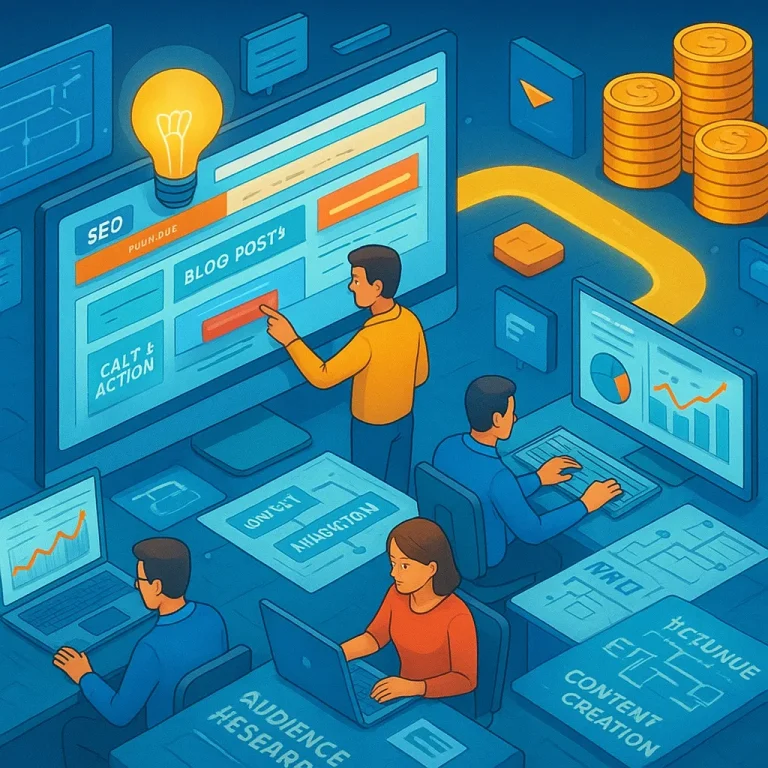

How can you build a successful niche marketing website that generates steady income?
How Can You Build a Successful Niche Marketing Website That Generates Steady Income?
To build a successful niche marketing website that generates steady income, focus on selecting a profitable niche, creating high-value content for a targeted audience, implementing strategic monetization methods, and continually optimizing with SEO and analytics. By building authority and solving specific problems for your audience, your website can attract consistent traffic and reliable revenue.
—
What Is a Niche Marketing Website? (Definition Box)
A **niche marketing website** is a specialized site that focuses on a specific topic, audience, or industry segment. These sites cater to the unique needs and interests of a clearly defined group, rather than appealing to the general public. They typically feature targeted content, products, or services designed to engage and convert a dedicated audience.
—
Why Choose Niche Marketing Over General Websites?
Niche marketing websites have several advantages over general-interest websites:
– **Less Competition**: Easier to rank for keywords in focused topics
– **Higher Engagement**: Audience feels understood and valued
– **Better Monetization Potential**: Brands pay more to reach precise audiences
– **Authority Building**: More easily seen as an expert in a small field
—
What Are The Key Steps to Build a Profitable Niche Marketing Website?
Here’s a step-by-step plan you can follow:
1. **Identify a Profitable Niche**
2. **Analyze Competitors and Audience**
3. **Develop a Content Strategy**
4. **Build and Optimize the Website**
5. **Drive Targeted Traffic**
6. **Implement Monetization Strategies**
7. **Measure, Analyze, and Improve**
Let’s break down each step and explore related questions.
—
1. How Do You Choose a Niche That Can Make Money?
Picking the right niche is foundational. Here’s how to select:
Checklist: Picking a Profitable Niche
– Does it solve a problem or fulfill a passion?
– Is there enough search demand?
– What is the potential for monetization (ads, products, affiliate offers)?
– Is competition manageable?
– Do you have expertise or interest in the topic?
**Popular niche areas** include: fitness and health, personal finance, pet care, parenting, hobbies (like gardening or photography), technology reviews, and home improvement.
**Related Concepts**: Market research, keyword research tools (Google Trends, SEMrush), audience personas.
—
2. How Can You Analyze Competition and Audience Needs?
Before you create content, it’s important to understand two key entities:
– **Competitors**: What sites already exist in your niche? What content performs well for them?
– **Audience**: What are the specific questions or problems you can solve for your ideal visitor?
Tools for Research
| Tool | Purpose |
|———————–|———————————|
| Google Search | Find top-ranking competitors |
| SEMrush / Ahrefs | Analyze keyword difficulty |
| AnswerThePublic | Discover audience questions |
| Reddit/Quora | Spot real user pain points |
—
3. What Makes a Good Niche Website Content Strategy?
A strong niche site answers user questions, solves problems, and engages visitors. Here’s how to plan:
Types of Content You Should Publish
– **Answer posts** (FAQ-style, “How do I…?”)
– **In-depth guides** and tutorials
– **Product reviews and comparisons**
– **Case studies and expert interviews**
– **News and trends relevant to your niche**
**Tip:** Use topic clustering—create a “pillar” guide and related “cluster” articles that link together for context and SEO.
**Related Entities:** Content calendars, keyword mapping, long-tail keywords, topical authority.
—
4. How Do You Build and Optimize the Website?
Launching your site is more than installing WordPress. Consider these foundational steps:
Core Website Elements (Table)
| Element | Description |
|—————–|————————————————–|
| Domain Name | Brandable, niche-specific, easy to remember |
| Web Hosting | Reliable, secure, fast loading |
| CMS | WordPress, Ghost, Wix (easy to manage) |
| Design/Theme | Clean, mobile-responsive, user-focused |
| On-Page SEO | Optimize titles, meta tags, headers, schema |
| Analytics | Set up Google Analytics, Search Console |
| Email Capture | Lead magnets, opt-in forms |
*Tip:* Implement legal pages (Privacy Policy, Disclaimer, Terms of Use) for trust and monetization eligibility.
—
5. How Do You Drive Targeted Traffic to a Niche Website?
Steady income requires steady traffic. Focus on:
Top Methods to Drive Traffic
– **Organic Search**: Optimize for keywords, build backlinks
– **Social Media**: Use channels where your audience hangs out (Instagram, Pinterest, Twitter, Facebook Groups)
– **Email Marketing**: Build and nurture an email list for repeat visits
– **Partnerships and Guest Posts**: Network with related sites and influencers
– **Community Engagement**: Participate in forums, answer questions on Reddit, Quora
FAQ: How long does it take to get traffic?
It often takes 3-6 months for new niche sites to see meaningful organic traffic, especially when following SEO best practices.
—
6. What Are the Best Ways to Monetize a Niche Website?
Depending on your niche, combine several monetization paths:
Monetization Methods Explained
– **Affiliate Marketing**: Recommend products & earn commissions (Amazon Associates, ShareASale, CJ Affiliate)
– **Advertising**: Display ads (Google AdSense, Mediavine, Ezoic)
– **Sponsored Content**: Work with brands on promotions or reviews
– **Digital Products**: Sell ebooks, online courses, printables, or software
– **Physical Products**: Dropshipping, print-on-demand, or your own products
– **Memberships**: Offer premium content, forums, or community access
*Key Considerations:*
– Diversify income streams for stability
– Choose monetization aligned with your audience’s needs
—
7. How Can You Measure and Optimize for Continued Growth?
Success isn’t static—monitor and adjust regularly.
Key Metrics to Track
– **Traffic** (sessions, unique visitors)
– **Engagement** (bounce rate, time on page)
– **Conversions** (ad clicks, affiliate sales, email signups)
– **Search Rankings** (keyword positions)
– **Revenue** (daily/weekly/monthly trends)
Recommended Tools
– **Google Analytics & Search Console**
– **Rank tracking software (SEMrush, Ahrefs)**
– **Heatmaps (Hotjar, Crazy Egg)**
– **A/B Testing (Optimizely, Google Optimize)**
How Often Should You Update a Niche Website?
– Regularly publish new content (weekly or bi-weekly if possible)
– Refresh outdated articles with new information
– Improve site speed and fix broken links
—
Related Questions and Variations
– How do I make a passive income niche website?
– What are the steps to create a money-making micro-niche blog?
– How do you choose a profitable niche for affiliate marketing?
– What are the best tools for finding low-competition niches?
– How much money can a successful niche website make per month?
– How do you build authority and trust in a niche market?
—
Key Takeaways: Building a Niche Marketing Website for Steady Income
– Select a niche that solves real problems for a specific audience
– Produce high-value, answer-focused content that demonstrates expertise
– Design a user-friendly, fast, and legally compliant website
– Use SEO, social media, and email to grow targeted traffic
– Monetize using methods that match your audience’s needs
– Continuously measure, update, and optimize for growth
**Context**: This process blends content creation, SEO (Answer Engine Optimization), strategic monetization, and ongoing site improvement. By building a brand and forming semantic connections around your chosen topic, you improve both human engagement and AI-powered answer visibility.
—
Niche Website Success: Entity Map (Quick Look)
– **Core Entities**: Niche, audience, content, SEO, monetization
– **Related Entities**: Affiliate networks, ad networks, analytics tools, CMS platforms, email marketing, legal compliance
– **Semantic Relationships**: Niche ↔ audience needs ↔ solutions ↔ monetization ↔ authority
—
Final Note
A successful niche marketing website is about understanding your audience, providing targeted solutions, and evolving with digital trends. Stay focused, keep learning, and adapt to changes in user behavior and technology, including the growth of AI answer engines.
“`