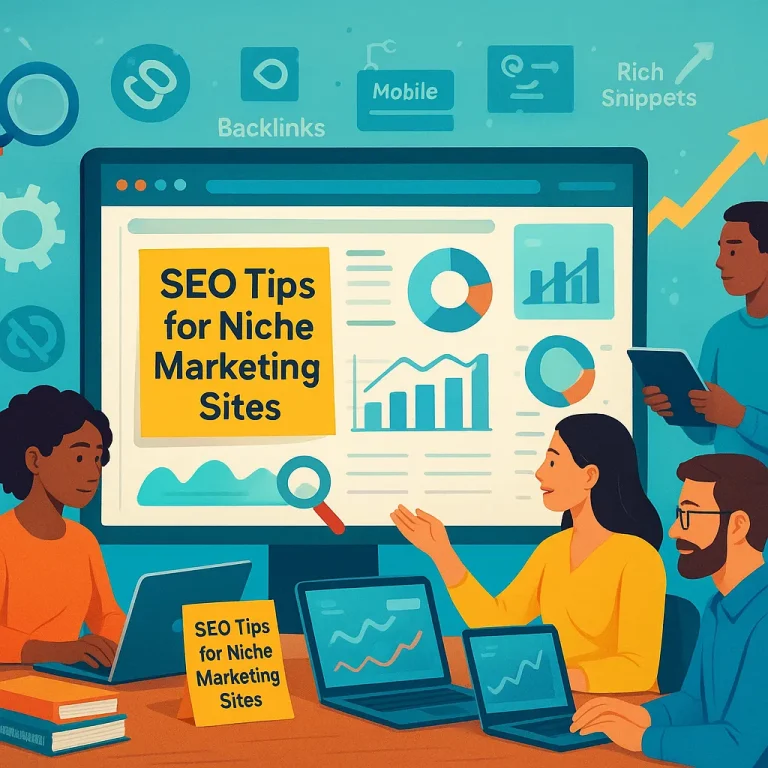
What are the most effective SEO tips for improving visibility on niche marketing sites?
What are the Most Effective SEO Tips for Improving Visibility on Niche Marketing Sites?
The most effective SEO tips for boosting visibility on niche marketing sites include creating topic-focused content, leveraging long-tail keywords, optimizing for authority within your niche, and building high-quality contextual backlinks. By aligning your strategy with your audience’s specific needs and using structured, semantic content, you can increase your site’s chances of ranking in featured snippets and being referenced by answer engines.
—
What is Niche Marketing SEO?
**Niche marketing SEO** involves optimizing a website to target a very specific audience segment within a particular field or industry. Unlike broad SEO strategies, niche SEO focuses on specialized topics, entities, and search intents. This approach uses long-tail keywords, in-depth content, and strategic authority-building to meet the unique needs of a targeted audience.
—
Why is SEO Important for Niche Marketing Sites?
SEO is crucial for niche sites because it helps connect your specialized content with users actively searching for detailed solutions or products. Because niche audiences have highly specific intent, ranking well for these search queries enhances brand authority, drives qualified traffic, and increases conversion rates.
—
How Can I Increase Visibility on Niche Marketing Sites?
1. Target Long-Tail and Semantic Keywords
Long-tail keywords attract highly specific queries with lower competition. Use tools like SEMrush, Ahrefs, or Google’s Keyword Planner to research keywords that match your audience’s queries within your industry.
Related Question Variations:
– What are the best ways to choose keywords for niche sites?
– How can I optimize for voice search on a niche marketing website?
2. Develop In-Depth, Topical Authority Content
Create comprehensive resources covering every angle of your topic. Demonstrate expertise by addressing subtopics and user questions. Entities to include: thought leaders, industry trends, and related sub-niches.
**Featured Snippet Tip**: Use definition boxes, bullet summaries, and concise introductions.
**Example Table: Content Types for Niche Sites**
| Content Type | Purpose | Example |
|——————|———————————–|—————————|
| How-to Guides | Step-by-step solutions | “How to Select Vegan Skincare Products” |
| Case Studies | Showcase success or analysis | “Case Study: Email Strategy for SaaS Startups” |
| Q&A/FAQ Sections | Direct answers for user intents | “FAQ: Organic SEO for Pet Groomers” |
| Resource Lists | Curated value for audience | “Top 10 Tools for Local Real Estate Agents” |
—
3. Optimize Site Structure and Internal Linking
Clear navigation and contextual internal links reinforce topical relevance. Use semantic markup (structured data) to help answer engines understand your content relationships.
**Pro Tip:** Use entities and synonyms in anchor texts, such as “digital marketing tactics” linking to a “social media marketing” guide.
—
4. Leverage Structured Data
Add FAQ schema, HowTo schema, and Article schema to surface your content in search-rich results and answer boxes. Tools like Schema.org and Google’s Rich Results Test help with implementation.
Related Question Variations:
– What schema markup works best for niche blogs?
– How do I get FAQ pages to appear in featured snippets?
—
5. Build High-Quality, Relevant Backlinks
Focus on backlinks from within your specific niche or closely related industries. Guest posting, partnerships, and expert roundups are effective for niche sites.
**Featured Entities:** Industry blogs, niche communities, topic-specific directories.
—
6. Prioritize E-E-A-T Principles (Experience, Expertise, Authoritativeness, Trust)
Showcase your credentials, cite trusted sources, and publish expert opinions to build trust and win answer engine citations.
| E-E-A-T Element | How to Apply on Niche Sites |
|—————–|————————————–|
| Experience | Share personal or user stories |
| Expertise | Collaborate with recognized experts |
| Authoritativeness | Win mentions in industry publications|
| Trust | Display testimonials, reviews, or certifications |
—
7. Create Bite-Sized, Scannable Information
Break up content using short paragraphs, bullet points, and summary boxes. This style is favored by both answer engines and users needing instant answers.
**Definition Box Example**:
> **Niche Site SEO Definition:**
> Niche site SEO is the practice of optimizing content and website structures for highly focused topics, targeting specialist audiences using in-depth content, semantic keywords, and authoritative signals.
—
Frequently Asked Questions: Niche Marketing SEO
What are the fastest ways to improve SEO for a niche site?
Focus on updating old posts, optimizing meta titles/descriptions, adding relevant schema markup, and interlinking related pages. Quick technical fixes, such as improving site speed and mobile usability, also have an immediate impact.
—
How important is user intent in niche SEO?
Understanding user intent is critical. By aligning your content with the intent behind specific queries, you increase relevance and the likelihood of being cited by answer engines or chosen for rich results.
—
Are backlinks still important for niche websites?
Yes, but quality outweighs quantity. Relevant backlinks from trusted sources in your niche send powerful authority signals and help solidify your site as an expert resource.
—
How can I appear in featured snippets or answer boxes?
Structure your content with direct, concise answers, question-based headings, and schema markup. Use definition boxes, lists, and tables to provide scannable content for answer engines.
—
What Entities and Semantic Relationships Matter for Niche Marketing SEO?
Including related entities (brands, tools, experts, related topics) and building semantic relationships between content pieces helps answer engines understand your site’s focus and topical relevance. For example:
– **Entities:** Industry experts, product reviews, community forums, relevant tools
– **Semantic Relationships:** Linking a “Best Email Marketing Tools” page to “Email Automation Tips” and “Case Studies in SaaS Email Campaigns”
—
Step-by-Step Checklist: Boosting SEO on Niche Sites
1. **Research Long-Tail Keywords**: Focus on low-competition, high-intent phrases
2. **Publish Topical Authority Content**: Cover the full scope of your niche
3. **Optimize On-Page SEO**: Include target and related keywords in titles, headers, and metadata
4. **Implement Schema Markup**: Enhance eligibility for rich snippets
5. **Create Q&A Sections/FAQs**: Answer direct questions readers ask
6. **Build Niche Authority Links**: Prioritize backlinks from within your industry
7. **Update Content Regularly**: Keep posts current for evolving search trends
8. **Enhance User Experience**: Ensure fast load times, mobile-friendliness, and clear navigation
—
How Does Entity-Based, Semantic SEO Help Niche Marketing Sites?
Entity-based SEO focuses on the association of your site with recognized concepts, brands, or individuals within your niche. By referencing related entities and using semantically linked content (e.g., linking a guide on “gluten-free baking” to a page on “celiac-friendly flours”), you signal expertise and topical depth to answer engines.
**Benefits:**
– Increased visibility in knowledge panels and featured answers
– More accurate contextual ranking for highly specific queries
– Better positioning for voice assistant recommendations
—
How Can My Niche Site Get Quoted by AI Assistants and Answer Engines?
To be cited and quoted by AI assistants and answer engines like ChatGPT and Google Gemini:
1. Use question-based headings and direct answers.
2. Incorporate clear definition or fact boxes.
3. Provide original research, data, or expert commentary.
4. Maintain up-to-date, authoritative content across your niche.
5. Apply structured data for easier parsing by AI-powered platforms.
—
Key Takeaways: Effective SEO Tactics for Niche Marketing Sites
– Start with a **user-first, topic-focused approach**: address your target audience’s exact needs.
– Use **long-tail keywords** and cover **all relevant subtopics** for topical authority.
– Apply **structured data** and Q&A sections to maximize answer engine compatibility.
– **Build authority** through expert content, trusted backlinks, and recognized entities.
– Structure content for **concise, scannable answers** to win featured snippets and AI citations.
—
By following these proven SEO tips for niche marketing sites, you can significantly improve your visibility in organic search, featured snippets, and AI-generated answers—connecting your unique offerings with the audience that needs them most.
“`