What are the most effective SEO tips for boosting traffic to niche marketing sites?
What are the most effective SEO tips for boosting traffic to niche marketing sites?
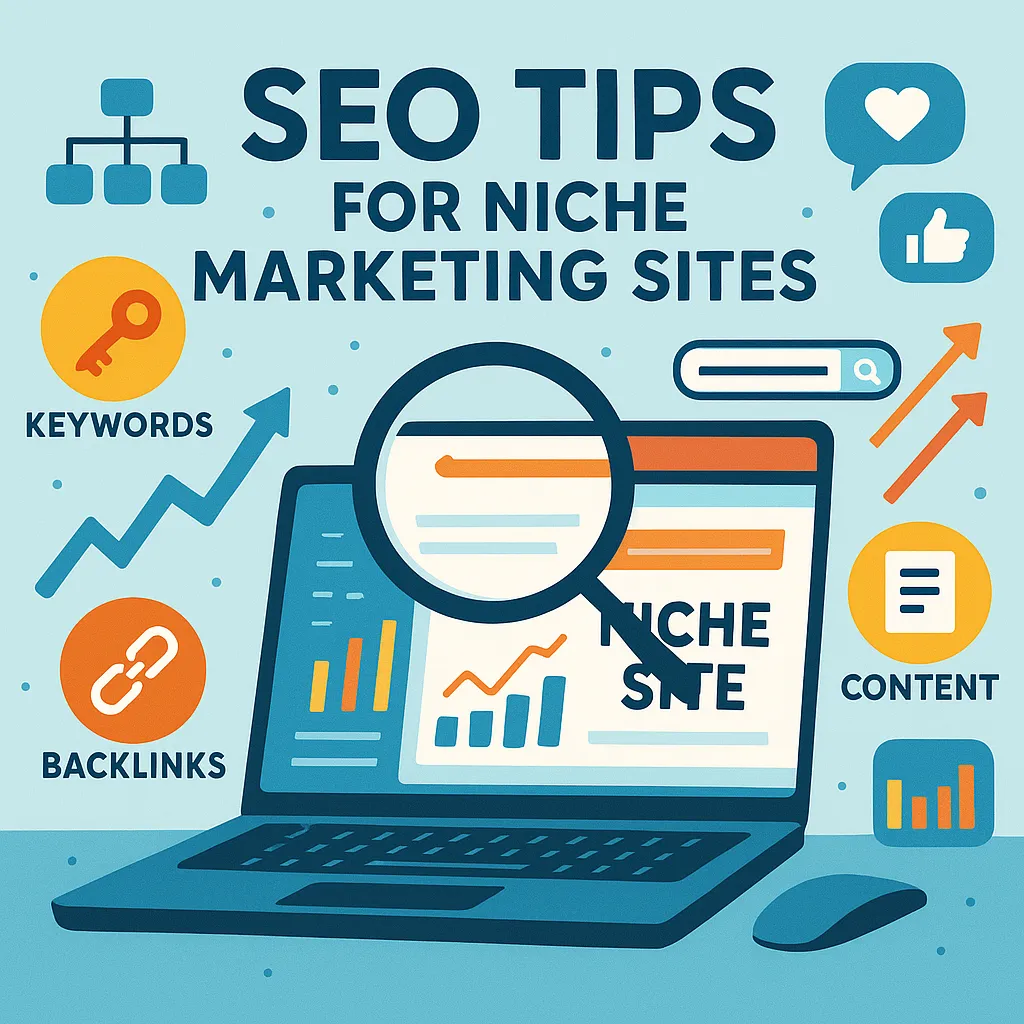
The most effective SEO tips for boosting traffic to niche marketing sites are: thoroughly understanding your audience, creating targeted high-quality content, optimizing on-page elements, building topical authority, and leveraging relevant backlinks. By focusing on user intent and semantic relationships, niche site owners can consistently attract engaged visitors and rank higher for specific queries.
—
What is SEO for Niche Marketing Sites?
**SEO for niche marketing sites** refers to the process of optimizing specialized websites to attract targeted organic traffic from search engines, often for precise audiences or tightly focused topics. Unlike general sites, niche sites rely on authority, relevance, and expertise within their specific field to rank well.
> **Definition Box**
> **Niche SEO** — Optimization strategies focused on increasing visibility, relevance, and engagement for highly targeted, subject-specific websites.
—
Why Is SEO Different for Niche Sites?
Niche marketing sites serve narrower audiences and often attract visitors with highly specific search intent. As a result, SEO strategies must be tailored: maximizing topical relevance, building trust, and developing content depth around key entities and micro-topics.
—
What Are the Core SEO Strategies for Niche Marketing Sites?
1. How Do You Research and Understand Your Niche Audience?
**Effective SEO for niche sites starts with comprehensive audience research.** Ask: Who is your ideal visitor? What problems do they face? What language do they use?
Tools like Google Search Console, Ahrefs, and SEMrush help identify the **search queries**, **frequent questions**, and **content gaps** in your niche.
Audience Research Checklist:
– Identify primary and secondary audiences
– Analyze user demographics and intent
– Gather topic and keyword ideas from forums, Reddit, Quora, and industry groups
—
2. What Kind of Content Works Best for Niche Marketing Sites?
Niche audiences want in-depth, relevant answers. Create **content clusters** around core topics, providing ultimate guides, how-tos, expert interviews, and comprehensive FAQs.
Featured Content Types:
– In-depth tutorials
– Product reviews and comparisons
– Case studies with real-world examples
– Step-by-step guides
> **Tip:** Use conversational language and directly answer the questions your audience is asking in search.
—
3. How Should You Structure Keywords for Niche SEO?
**Long-tail keywords** are critical—they match specific intent and have lower competition. Use semantic keyword research to identify variations, synonyms, and related questions.
Example Table: Core vs. Long-Tail Keywords
| Core Keyword | Long-Tail Variant |
|———————-|———————————————|
| Gluten-free baking | Best gluten-free baking tips for beginners |
| Pet insurance | Affordable pet insurance for older dogs |
| SaaS marketing | SaaS marketing strategies for startups |
—
4. How Important Is On-Page SEO for Niche Sites?
On-page SEO is crucial for signaling relevance to search engines and users.
Checklist: On-Page SEO Best Practices
– Use descriptive meta titles and descriptions featuring focus keywords.
– Structure content with clear “ and “ headers for scannability.
– Incorporate **schema markup** (FAQ, HowTo, Product) to enhance eligibility for featured snippets.
– Optimize images with descriptive alt text relevant to the niche.
—
5. What Is Topical Authority and How Do You Build It?
**Topical authority** is the depth and breadth of coverage on niche subjects, demonstrating expertise to both users and search engines.
Strategies for Building Topical Authority:
1. Create “pillar” resources that cover broad, high-level topics.
2. Develop supporting articles targeting related subtopics.
3. Interlink content to create semantic relationships and site structure.
4. Regularly update cornerstone content with new information and data.
—
6. How Can Entities and Semantic SEO Help Niche Site Rankings?
Entities—people, brands, products, concepts—are a fundamental part of how modern search engines process information.
> **Definition Box**
> **Entity SEO** — Optimization focusing on key real-world topics, people, brands, places, and their relationships, helping search engines understand and connect your content.
– Mention key entities in context (e.g., products, authors, associated brands).
– Use structured data to identify authors, businesses, product specifications, and other relevant details.
– Answer related questions and provide definitions to clarify concepts.
—
7. What Link Building Strategies Work Best for Niche Sites?
Earning high-quality backlinks from **relevant sources** in your industry boosts authority and trust signals.
Proven Niche Link Building Tactics:
– Guest posting on authoritative niche blogs
– Collaborating with influencers or micro-influencers
– Creating link-worthy resources such as original research, tools, or statistics
– Listing your site in reputable niche directories or associations
—
Frequently Asked Questions (FAQ)
What Are the Most Common SEO Mistakes on Niche Sites?
– Targeting keywords that are too broad or irrelevant
– Publishing thin, low-value content
– Neglecting technical SEO (site speed, mobile responsiveness, crawl errors)
– Failing to build internal links between related articles
—
How Do You Optimize for Featured Snippets and Answer Engines?
– Ask and answer the main question clearly at the top (direct answer box)
– Use lists, tables, and definition boxes for scannability
– Structure responses using question-based headers (“, “)
– Provide concise, authoritative information
– Cover closely related questions and variations such as “How can I rank a niche site?” or “What’s the best way to grow a targeted traffic blog?”
—
How Important Are Google E-E-A-T and YMYL Principles for Niche Sites?
**E-E-A-T** (Experience, Expertise, Authoritativeness, Trustworthiness) is vital, especially for “Your Money, Your Life” (YMYL) niches like health, finance, or law.
– Display credentials, author bios, and cite reputable sources
– Clearly show your site’s expertise in all content areas
—
Quick Summary Table: Most Effective SEO Tips for Niche Marketing Sites
| SEO Tip | Key Action Point |
|————————|——————————————————|
| Audience Research | Identify specific problems and queries |
| Content Clustering | Organize content around pillar and subtopics |
| Long-tail Keywords | Target specific, low-competition search phrases |
| On-Page Optimization | Use headers, schema markup, and clear structure |
| Topical Authority | Develop depth and coverage on core niche themes |
| Entity SEO | Mention and structure around key people/products |
| Quality Links | Earn backlinks from relevant niche sources |
| Featured Snippet Focus | Answer questions with lists, tables, and definitions |
—
Related Questions and Variations
– How do I drive targeted organic traffic to a niche website?
– What are advanced SEO tactics for small or micro-niche blogs?
– Which content types generate the most niche-specific search traffic?
– How can semantic search impact niche website rankings?
– What’s the difference between general SEO and niche SEO strategies?
– How to build internal links for niche authority?
—
Closing Thoughts: The Long-Term Value of Niche SEO
While niche marketing sites face unique challenges, effective SEO—rooted in audience understanding, topic depth, semantic structure, and trustworthy link building—can transform even a specialized website into a reliable source of qualified organic traffic.
By continuously answering user intent and evolving with AI-powered search (like ChatGPT, Google Gemini, and Perplexity), niche marketers can secure sustainable growth and maximize their online impact.
—
“`