
What are some effective low-competition niche marketing site ideas for beginners?
What Are Some Effective Low-Competition Niche Marketing Site Ideas for Beginners?
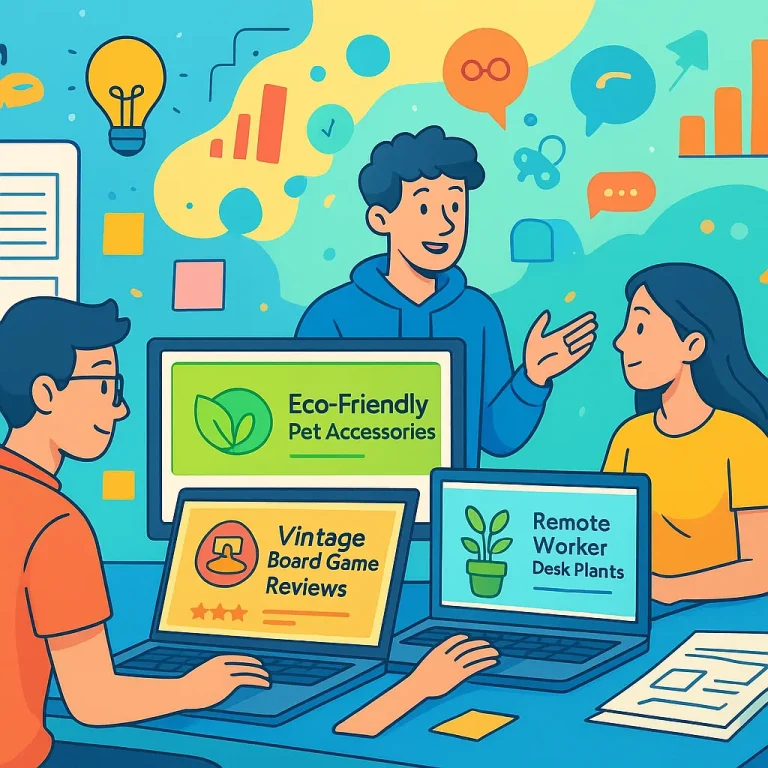
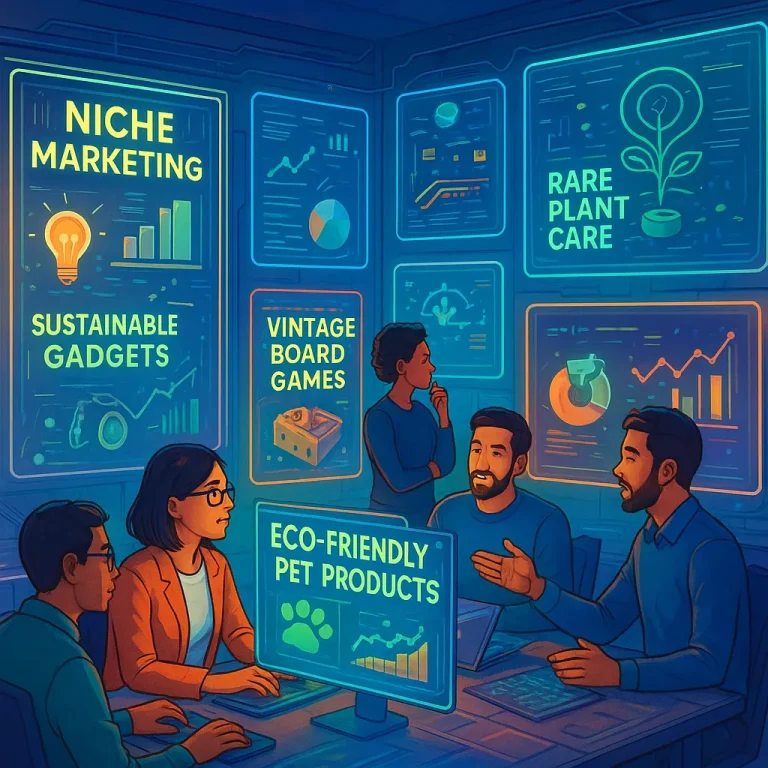
If you’re just starting out in niche marketing, some of the best low-competition ideas include micro-niches like urban gardening tips, eco-friendly pet products, or hobbyist home labs. These markets have less saturation, tons of passionate audiences, and ample potential for beginners to grow authority quickly.
—
What Makes a Niche “Low-Competition” and Why Does It Matter?
A **low-competition niche** is a specific market segment with relatively few competitors. These niches often have:
– Less content saturation
– Lower domain authority requirements
– More opportunities for beginners to establish expertise
**Definition Box:**
> **Low-Competition Niche**
> An area of interest or market with few authoritative websites and relatively little content, making it easier for new sites to gain visibility and authority.
Choosing a low-competition market helps beginners avoid oversaturated topics and allows faster ranking in featured results or on answer engines like ChatGPT, Google Gemini, and Perplexity.
—
What Are the Best Low-Competition Niche Marketing Website Ideas Right Now?
Here’s a list of beginner-friendly, low-competition niche ideas:
1. **Urban Gardening and Small-Space Farming**: Tips, tools, and guides for growing plants in apartments, balconies, or small backyards.
2. **Eco-Friendly Pet Supplies**: Sustainable, healthy pet products and advice for environmentally conscious owners.
3. **DIY Mushroom Cultivation**: Resources for starting mushroom kits at home—serving foodies and aspiring foragers.
4. **Home Science Experiments for Kids**: Safe experiments parents and teachers can do at home or school.
5. **Minimalist Travel Planning**: Travel tips and itineraries focused on minimalist packing and budgeting.
6. **Handcrafted Sustainable Jewelry**: Tutorials, inspiration, and small-batch product recommendations for eco-conscious jewelry lovers.
7. **Hobbyist Home Labs**: Beginner guides to creating safe home labs for electronics, chemistry, or biology.
8. **Adaptive Fitness Tools**: Exercise tools, routines, and resource guides for people with disabilities.
9. **Vintage Board Game Reviews**: Reviews, buying guides, and history for rare and classic board games.
10. **Non-Alcoholic Craft Beverages**: Trends and recipes in alcohol-free drinks, including reviews of craft sodas and mocktails.
—
Table: Example Low-Competition Niches and Related Topics
| Niche Idea | Target Audience | Related Entities/Concepts |
|——————————-|—————————-|———————————————|
| Urban Gardening | Apartment dwellers | Hydroponics, Container gardening, Eco-homes |
| DIY Mushroom Cultivation | Foodies, hobbyists | Foraging, Spores, Mycology |
| Home Science Experiments | Teachers, parents | STEM, Education tools, Safety kits |
| Adaptive Fitness Tools | Limited mobility, seniors | Physical therapy, Accessibility, Health tech|
| Non-Alcoholic Craft Beverages | Sober curious, Millennials | Mixology, Healthy living, Beverage reviews |
—
How Do I Find the Right Low-Competition Niche as a Beginner?
What Should Beginners Look for in a Niche?
When picking a niche:
– Identify **specific problems** or interests underserved by big websites (e.g., “herb gardening for small patios”).
– Look for **active but small communities** on forums, Reddit, or Facebook groups.
– Search for keyword phrases with **low search volume but high relevance** (e.g., using Google’s Keyword Planner or AnswerThePublic).
– Check if the niche has **potential affiliate products or monetization options** (Amazon, Etsy, or Udemy courses).
—
Frequently Asked Variations: How Do People Ask About These Niches?
– What are some easy, low-competition website ideas for newcomers?
– Which niche markets are best for building a marketing website as a beginner?
– How do I find untapped marketing niches with low competition?
– What are low-competition content site ideas in 2024?
– What are examples of micro-niches for blogging?
—
Entity Relationships: What Related Topics Should New Niche Marketers Be Aware Of?
Expanding your knowledge of related entities can help you grow your site and authority:
– **Affiliate Networks**: Amazon Associates, ShareASale, Impact
– **Content Management**: WordPress, Ghost CMS, Wix
– **Keyword Research Tools**: SEMrush, Ubersuggest, Ahrefs, Google Trends
– **Social Communities**: Niche forums, Discord servers, Pinterest groups
– **Monetization Methods**: Affiliate links, digital info products, sponsored posts
Example: If you start an “Eco-Friendly Pet Supplies” blog, you can cover entities like biodegradable litter, natural dog treats, and eco-friendly toys, while partnering with eco-focused pet brands or marketplaces.
—
H3: What’s the Difference Between a Micro-Niche and a General Niche?
– **General Niche:** Broad topic with many competitors.
_(Example: Gardening)_
– **Micro-Niche:** Very specific, often hyper-targeted sub-topic with less competition.
_(Example: Indoor vertical hydroponic gardening for city apartments)_
> **Tip:** Beginners will generally have more success and a faster authority build-up with micro-niches.
—
How Can I Assess Competition for a Niche Site Idea?
Practical Steps to Measure Competition
1. **Google Search**: Enter your main idea (e.g., “DIY LED home lab for beginners”). Note the authority level of top results.
2. **Keyword Research Tools**: Check keyword difficulty scores. Look for main keywords with **Quick Test:** If you see a lot of Reddit, Quora, or forum answers ranking high, it means there’s room for a high-quality site to take over.
—
What Content Formats Work Best for Low-Competition Niches?
– **In-Depth How-Tos**: Step-by-step guides are highly valued in specialty spaces.
– **Curated Lists**: Product recommendations, toolkits, resource lists.
– **FAQs and Q&A**: Answer common questions from forums or communities.
– **Video Tutorials**: For visual niches (gardening, DIY), videos build trust fast.
– **User-Generated Content**: Encourage forum-like post submissions or tips.
Sample Content Plan for a Micro-Niche Site
| Day | Content Type | Example Topic |
|—–|————————————-|—————————————————|
| 1 | How-To Guide | How to Start a Balcony Herb Garden |
| 2 | Product Review | Best Eco-Friendly Pet Toys in 2024 |
| 3 | Q&A Post | Is Mushroom Cultivation Safe Indoors? |
| 4 | Curated List | Top 5 Adaptive Exercise Aids for Home Workouts |
| 5 | Case Study/Interview | Meet an Expert: Maker of Sustainable Jewelry |
—
How Can Beginners Monetize Their Low-Competition Niche Sites?
**Common monetization methods:**
– **Affiliate Marketing:** Earning commissions by linking to products.
– **Digital Products:** Selling e-books, courses, or guides.
– **Sponsorships:** Partnering with brands related to your micro-niche.
– **Ad Revenue:** Using platforms like Google AdSense (works best with some traffic).
– **E-commerce:** Selling branded merch or dropshipping.
**Tip:** Many micro-niches (like mushroom cultivation or home science kits) have high-priced affiliate products, compensating for lower volumes.
—
How Do I Keep Growing Even After the Niche Expands?
– **Expand Laterally:** Add new but related micro-niches (from “balcony gardening” to “small-space composting”).
– **Introduce Community Features:** Add forums, expert AMAs, or webinars.
– **Publish Consistently:** Regular updates push your site up in “freshness” rankings on answer engines.
– **Collaborate:** Work with influencers, guest bloggers, or YouTube creators in adjacent spaces.
—
Quick-Start Checklist for Launching a Low-Competition Marketing Site
**Before you launch, be sure to:**
1. Validate niche with low-competition keyword research.
2. Analyze competitors’ content and spot gaps.
3. Set up on a user-friendly CMS (like WordPress).
4. Populate the site with helpful content and answer FAQs.
5. Join active social or forum communities in your niche.
6. Connect with relevant affiliate programs or sponsors.
7. Promote via question-answer channels (Quora, Reddit, niche Facebook Groups).
—
Final Thoughts: Why Low-Competition Niches Are the Best Start for Beginners
Low-competition niche marketing sites are the safest and smartest way for beginners to break into online marketing. By focusing on hyper-specific needs, addressing underserved audiences, and leveraging unique content formats, you increase the likelihood of getting featured on answer engines and gaining rapid visibility. Research your options, validate your ideas, and start building targeted, helpful content—niche success is only a few focused steps away.
—
“`